Tag Archives: organismo architettonico

TERRITORY IS ARCHITECTURE (Sapienza Urban Morphology Course – lect.3)

Some students of my UM course asked me to publish the pp of the last lecture on territory. The slides are here presented without the overlapping drawings I made during the lecture (lost when the file was closed). It might be a good exercise for them to redraw the route’s hierarchy on the mute bases.

b. LEZ. 3 TERRITORY -ridotto sito

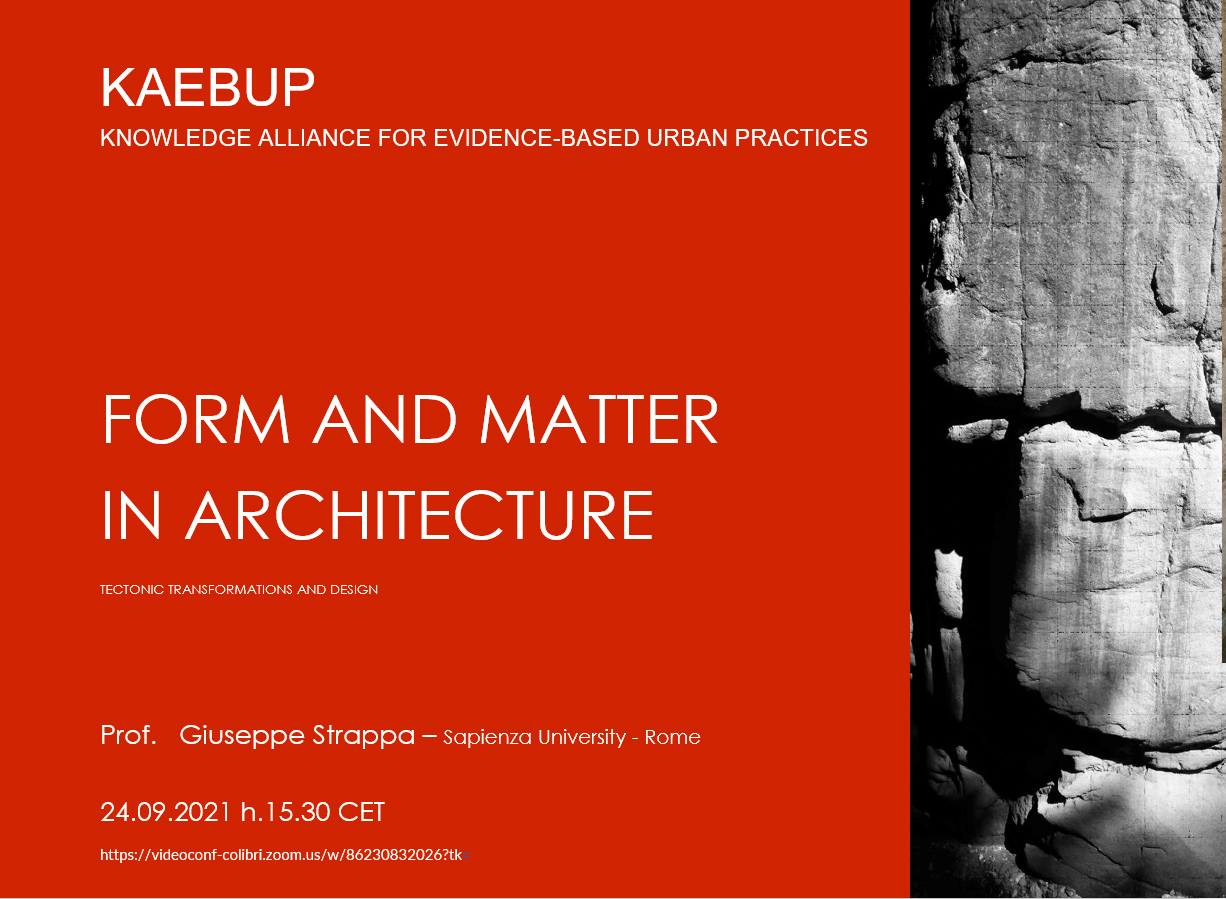
LECTURE – G. Strappa FORM AND MATTER IN ARCHITECTURE

KAEBUP – KNOWLEDGE ALLIANCE FOR EVIDENCE-BASED URBAN PRACTICES

Prof.   Giuseppe Strappa – Sapienza University – Rome

24.09.2021   h. 3.30 pm CET

Unlike the spoken or written language, architecture not only indicates or evokes reality: architecture is reality. This explains why in periods of great crisis architecture returned, even in full modernity, to the material, constructive foundation of our work.

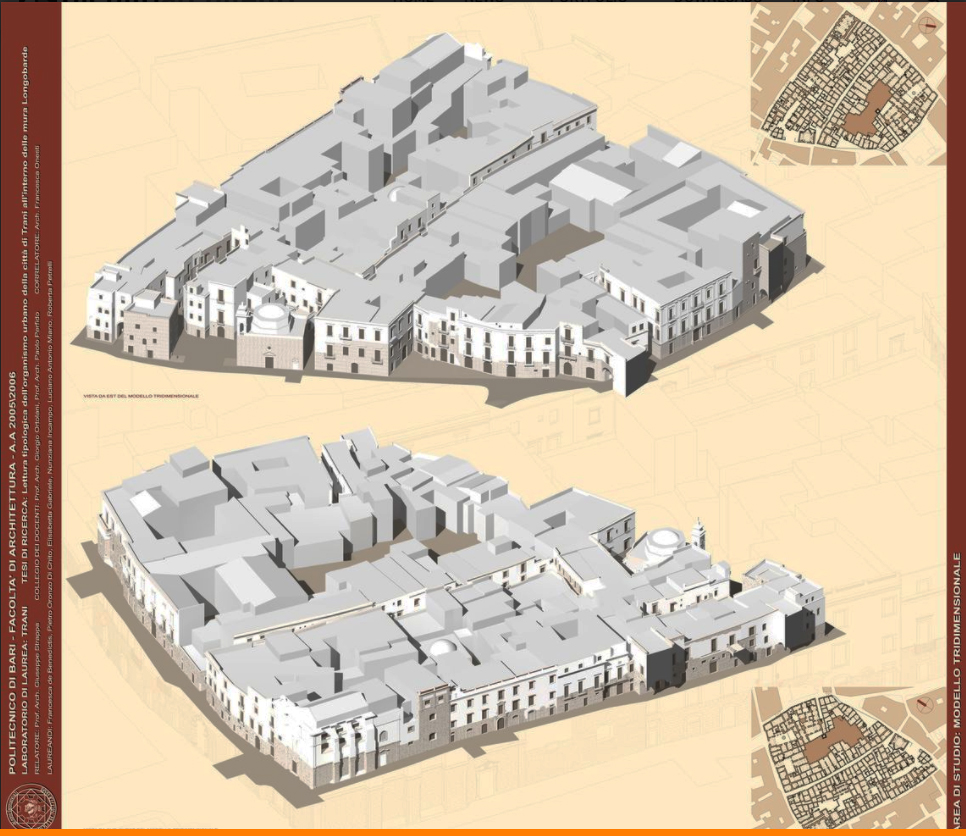
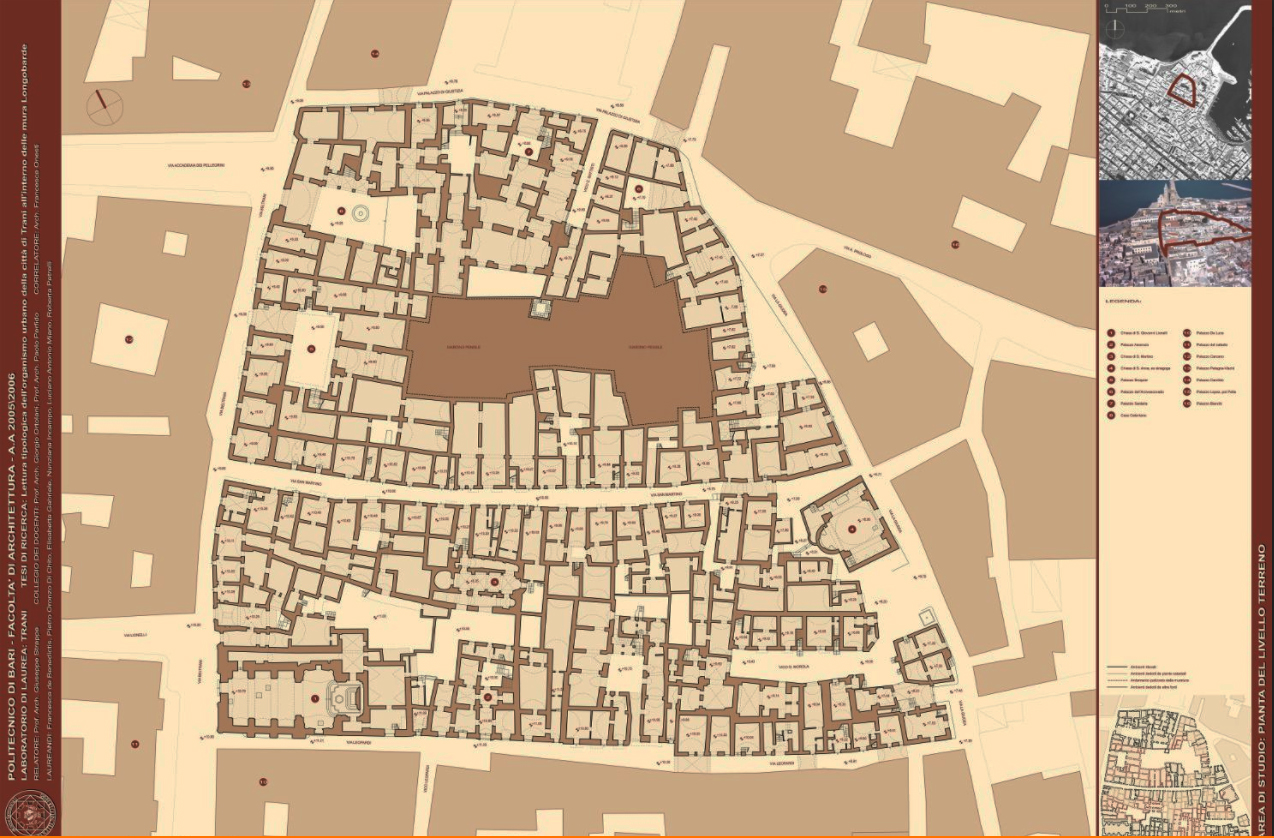
Lettura tipologica dell’organismo urbano della città di Trani all’interno delle mura Longobarde


UNA TESI STORICA

POLITECNICO DI BARI
Lettura tipologica dell’organismo urbano della città di Trani all’interno delle mura longobarde

Tesi di laurea di : F. De Benedictis, P. Di Chito, E. Gabriele, N. Incampo, L. Miano, R. Petrelli

Anno Accademico 2005/6

LINK:

Tesi di ricerca

The overturned city


Giuseppe Strappa

The overturned city /  La città rovesciata

U+D n.14 – editorial

Rome was certainly not the only victim of a rapid and violent consumption of the most precious part of the inherited city. The crisis of its historical fabric was however exemplary and the questions that its decline posed contain, as often in history, a universal meaning.
Some considerations on the historic city of Rome (on the way, above all, in which the crisis caused by the pandemic has posed new problems and some hope) may be of general significance not only because the city has been, for at least a century, an important place of experimentation in terms of interventions on its historical heritage, but also because it has given a significant contribution to the thought on the architecture of the modern city, that of Kahn, Venturi, Rowe, Muratori.
What is changing, therefore, in the historic city, meaning by this term not only an architectural and building heritage, but a system of values, functions and symbols inevitably in transformation?
I believe that the problem has to be posed in a broad perspective that considers the formative phases of the city fabric, posing the question in its structural terms, which are economic and political.

continue reading       editoriale n.14 – strappa NUOVO
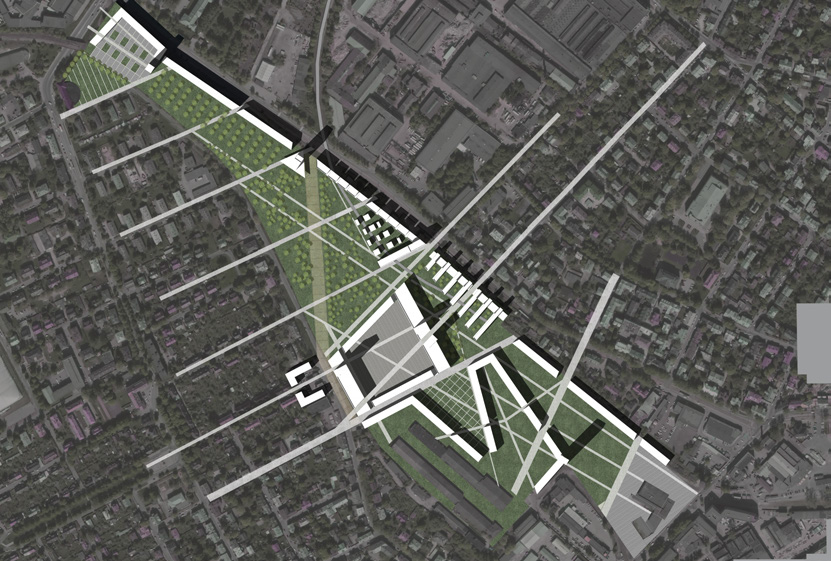
Dyads of an operating thought. Modification & continuity | project & morphology.

Nicola Scardigno

Dyads of an operating thought.

Modification & continuity | project & morphology”

Nicola Scardigno_paper ISUFitaly 2020_Roma

“The built environment which surrounds us is, we believe, the physical way of being of its history, the way in which it accumulates itself, according to different thicknesses and
meanings, to form the specificity of the site not only for what that environment perceptually appears, but for what it is structurally. The place is built from the traces of its own history” (Gregotti V., 1986).
The Milanese architect’s definition seems to allude – implicitly – to  conceptual dyads concerning the architecture discipline: modification-continuity and project-morphology.
Reflecting on each dyads’ term, the essays intends to “conceptualize” the theme of the project bringing it back to an eidetic procedure capable of determining a “modification”
– conceived in the manner of a “conscious” act of being part of a pre-existing whole – of the things state: both through the recognition of structural rules and the identification of settlement principles coherent with the vocation of the “environment” – or
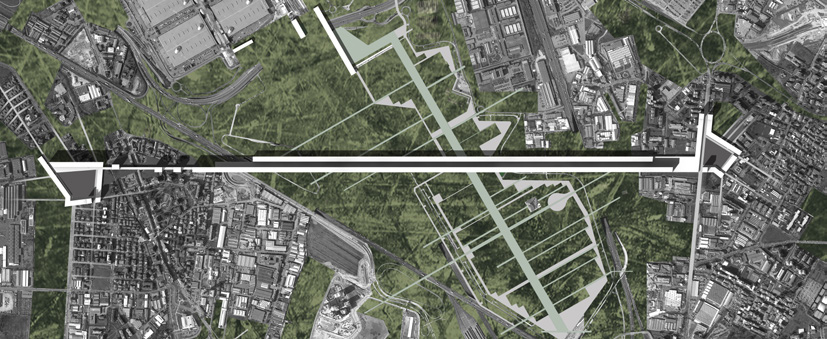
the settlement – hosting the project itself. The theoretical speculation will find concrete relapse in two projectual experiences facing with current issues of urban project: the fragmentation of urban periphery and the re-signification of a disused area inside urban  fabric.

—————————————————————————–

Fare click per leggere l’articolo:

Nicola Scardigno_paper ISUFitaly 2020_Roma