Tag Archives: landscape

City as organism new visions for urban life . 22nd ISUF International Conference – 2015 Rome

Introduction Giuseppe Strappa 

Conference Chair
“Sapienza” University of Rome
aprire qui per leggere il  Volume ATTI ISUF Rome 2015 (1) 


First of all let me say how happy and glad I am to host an Isuf Conference in Rome, in our Faculty of Architecture of “Sapienza” University. Since our early Isuf meetings in the Nineties, I always thought that, sooner or later, we had to organize a conference in Rome on Urban Morphology. We were a few people at that time but since then many years have passed and the number of Isuf members is much increased. Even the fields of interest and scientific methods have proliferated and the meaning of the term “urban morphology” now applies to many schools of thought, sometimes quite dissimilar from those of the founders, but certainly useful to the progress of “discipline.” To our field of interest it was actually recognized the status of discipline, whose roots do not belong only to the schools of cultural geography and building typology, but also acknowledged the different influences of scholars of the city form such as Christofer Alexander, Colin Rowe, Kevin Lynch. For our conference we had about 700 submissions by Urban Morphology scholars belonging to different schools from all over the world. It is noteworthy that most of submissions came from countries rapidly changing, a sign that Isuf has become an association of actual reference in studies on urban transformation. Each Isuf Conference had its peculiar character linked to the specificities of the place that hosts it. I think that an Isuf Conference in Rome has two special reasons. The first is that Rome is a true text of Urban Morphology, not only for its monumental and archaeological part, but mainly for its urban fabric that have been transformed over centuries. This also explains the presence here of numerous colleagues interested to heritage and interventions inside the historical fabrics. Not by chance, is involved in this conference Daniela Esposito, the Director of the School of Restoration in Rome, one of the most prestigious institutions in the field in Europe. Moreover, as Jeremy Whithand has written in the last edition of our Journal, the matter merit high priority on the Isuf agenda, as the contribution of UM studies in the various Heritage Organizations has been meager in recent years. The second reason is that this school of Valle Giulia hosted the birth of one of the schools of thought on which (along with the conzenian one) was founded Isuf. A school with a long tradition, born in the ‘30s with scholars such as Giovannoni and Milani, and continued by Calandra, Muratori, Caniggia and many others. A tradition which we try to continue with an open mind and by experimenting in new ways. A last point. In organizing the structure of this conference we faced the problem of collecting many different contributions within, as far as possible, homogeneous sessions. As for any conference proposing an “oriented” theme, we had to deal with the answers of ap13 city as organism|new visions for urban lifeplicants and often with some very specific papers that it was not always possible to place in entirely consistent sessions. We preferred to anyway accept these contributions, giving up, in some cases, an ideal coherence of the sessions and preferring, instead, to include the most valuable materials proposed for the Urban Morphology disciplinary debate. In opening this Conference I feel obliged to thank the Vicar Rector of Sapienza, Renato Masiani, The Dean of the Faculty Annamaria Giovenale, the Director of the Department of Architectural Design Piero Ostilio Rossi. All of them have strongly encouraged this project. A special thanks is due to professors and students of our Draco PhD School. They have actually coordinated, helped, and concretely supported the initiative.

 aprire qui                 Volume ATTI ISUF Rome 2015 (1) 

Giuseppe Di Benedetto – Per un’osmosi forma urbis/forma agri – Utopia e attualità della “città rurale”

For an osmosis forma urbis/forma agri.   Utopia and actuality of the “rural city” 

IN U+D Urbanform and Dsign 20/2023

Keywords: Architecture, Project, Rural city,
Landscape, Ecology of vision, Internal areas, Rehabilitation,
Sicilian Latifundim

per leggere l’intero articolo   G Di Benedetto

ENGLISH ABSTRACT
The rehabilitation of inland areas, with their related urban settlements, also in the light of epochal social transformations, whose criticalities have been further highlighted by the pandemic phenomena of the present time and the enslaving second globalization of planet earth, can today constitute an alternative model to today’s forms of “de-territorialisation without return” and further “unsustainable urbanization” of a global and massifier matrix that is no longer able to generate either “cities” or “citizenship”. The essay reflects about the need to tend towards the idea of a return to the territory, itself to be considered essentially as a collective good to be safeguarded by reconstructing, through regenerative processes, lost synergetic relations between nature, environment, history and pre-existing urban settlements with a still recognizable “human measure”.

———————————————————————-

Premessa
“Nati sulla Terra, noi uomini siamo costretti a risolvere su questo pianeta i nostri problemi di sopravvivenza […]; nel frattempo abbiamo trasformato l’ambiente terrestre in funzione delle nostre crescenti necessità, secondo le tecniche che via via abbiamo inventato. Per secoli abbiamo operato senza incidere profondamente sull’ambiente terrestre ma nel giro di qualche secolo le attività di trasformazione e i loro effetti si sono moltiplicati in manieraesponenziale. Non c’è luogo della terra che non sia stato intaccato in qualche modo dall’uomo […]. Tutti vogliono preoccuparsi dello spazio per sé, per i propri personali calcoli, costruendo, trasformando il mondo, che poi è la regola prima di ogni capitalizzazione, di ogni arricchimento […]. Produciamo continuamente eventi, facciamo e rifacciamo incessantemente il volto dei nostri territori, dimenticando che tutta la nostra produzione finisce sommersa […]”.
Eugenio Turri
Le parole ammonitrici di Eugenio Turri, ne Il paesaggio e il silenzio (2004), evidenziano con nettezza come “le forme emergenti dell’intero paesaggio antropogeografico, oggi più che mai nell’intera dimensione esistenziale dell’abitare la terra” (Di Benedetto, 2019), sono espressione dello stridente convivere duale e antinomico del “silenzio” degli originari “contesti” insediativi, naturalis o artificialis che siano, e della sopraffazione del frastuono generato dai costanti processi modificativi del tempo recente. Tali forme devono essere sempre re-interpretate come gli elementi principali dei fattori identitari degli stessi luoghi-contesti……

continua a leggere   G Di Benedetto

U+D 22-23 PATRIMONI / HERITAGES – pdf completo


LINK     https://www.tabedizioni.it/shop/product/patrimoni-heritages-1954

Indice_Contents

2025_anno XII_n.22/23

Editoriale_Editorial
Giuseppe Strappa
Patrimoni in trasformazione e lo spirito della Costituzione
Heritages in transformation and the spirit of the Constitution
Intertvista
Sei domande a Salvatore Settis sul consumo del patrimonio storico
Six questions to Salvatore Settis on the consumption of historical heritage (Giuseppe Strappa)
Saggi | Il paesaggio come patrimonio culturale
Essays | Landscape as cultural heritage
1| Giulia Annalinda Neglia
Paesaggi culturali e patrimonio paesaggistico: processi trasformativi
dinamici di tracce e memorie
Cultural and heritage landscapes: the dynamic, transformative processes of traces and memories
2| Giulia Annalinda Neglia
Alcune domande a Majeda Alhinai sul concetto di patrimonio e
sull’intelligenza architettonica dello spazio pubblico
Some questions to Majeda Alhinai on the concept of heritage and of the architectural intelligence of public spaces
3| Fadwa Almutlaq, Maria Letizia Garzoli, Bryan Ho
Foster + Partners e la progettazione con il patrimonio culturale nella Penisola Arabica
Foster + Partners and designing with Cultural Heritage in the Arabian Peninsula
4| Sara Protasoni
Ripensare il paesaggio come patrimonio. Il caso del bacino del Po
Rethinking Landscape as Cultural Heritage. The Case of the Po River Basin
Punti di vista_Viewpoints
1| Rosalba Belibani, Pina Ciotoli
Tracce persistenti e memoria dell’archeologia dell’acqua nel Rione Esquilino,
da Porta Maggiore fino ad Spem Veterem
Persistent Traces and Memory of the Hydraulic Archaeology of the Esquiline District, from Porta Maggiore to ad Spem Veterem
2| Alessandro Brunelli
Il territorio agrario come tutela del patrimonio urbano: il caso di Tolfa
The rural territory as urban heritage protection: the case of Tolfa
3| Sotir Dhamo
Processi territoriali e storici come valori urbani. Aulona (Vlora), Albania: dalle origini all’occupazione romana
Territorial and historical processes as values. Aulona (Vlora), Albania: from genesis to the roman occupation
4| Yassine Ouagueni
Il patrimonio, dalla cultura alla civiltà, e dalla civiltà…
Heritage, from culture to civilisation, and from civilisation…
5| Luigi Pellegrino, Graziano Testa
Il Trittico: il dettaglio che costruisce il paesaggio. Dal pensiero di Schinkel alladefinizione di un metodo
The Triptych: the detail that builds the landscape. From Schinkel’s thought to the definition of a method
6| Laura Pujia
Contesti della conoscenza: il progetto di architettura per il paesaggio culturale
Contexts of knowledge: architecture for the cultural landscape
7| Alessandro Raffa
Paesaggi di Bonifica del XX Secolo. L’Architettura dell’Ecologia Politica Fascista nell’Agro Pontino e le sue eredità
Twentieth-Century Reclaimed Landscapes. The architecture of Fascist Political Ecology in the Agro Pontino and Its Path Dependencies
8| Luca Velo, Michela Pace, Elisa Scattolin
Ecopublica. Operare il cambiamento all’interno del paesaggio in
trasformazione
Ecopublica. Operating change within the transforming landscape
Saggi | Città, architettura e patrimonio storico                                         Essays | City, architecture and historical heritage
1| Marco Maretto
La Forma della Città come Patrimonio. Tra Morfologia e Rigenerazione
Urbana
The Form of the City as Heritage. Between Urban Morphology and
Regeneration
2| Donatella Fiorani
Materiale/digitale. Strategie e strumenti per la gestione conservativa del
patrimonio storico urbano
Material/digital. Strategies and tools for the conservation management of
urban historical heritage
3| Monica Naretto
Interpretazione delle forme del patrimonio storico alle origini della
conservazione urbana. L’Italia di Charles Buls
The Interpretation of Historic Heritage Forms at the Origins of Urban Conservation: Charles Buls’ Italy

Punti di vista_Viewpoints
1| Giuseppe Canestrino, Roberta Lucente
Forme urbane in erosione. Interpretazioni sull’architettura delle fortezze “alla
moderna”, tra permanenza e impermanenza
Urban forms in erosion. Interpretations on the architecture of “alla moderna”
fortresses between permanence and impermanence
2| Andrea Crudeli
La Celebrazione della Morfologia Medievale. Dall’Archivio di Massimo Carmassi a Pisa
Celebrating Medieval Morphology. From Massimo Carmassi’s archive in Pisa
3| Nicola Delledonne
Patrimonio architettonico e memoria culturale. Questioni di progetto per il prossimo futuro
Architectural heritage and cultural memory. Design issues for the near future
4| Cecilia Maria Roberta Luschi, Alessandra Vezzi
Akko romana
Roman Akko
5| Marco Marino
Venezia, Patrimonio del Progetto Urbano Proattivo
Venice, Heritage of Proactive Urban Design
6| Manlio Michieletto, Victor Mukanya Bay
La rinascita dell’architettura tropicale a Kinshasa. Tradizione e modernità nei progetti di edifici pubblici sul Boulevard Triomphal
The Rebirth of Tropical Architecture in Kinshasa. Tradition and Modernity in the Public Building Projects on Boulevard Triomphal
7| Gianluigi Mondaini, Francesco Chiacchiera
Strati. Strategie di rigenerazione urbana. Il caso del centro di Ancona e del suo patrimonio costruito e archeologico come laboratorio “a cielo aperto”
Layers. Strategies for urban regeneration. The case of Ancona’s historic center and its built and archaeological heritage as an “open-air” laboratory
8| Rita Salamouni
Vitalità dell’abitazione a sala centrale. Il caso degli edifici ottomani e delle “case borghesi” libanesi
Vitality of the central-hall dwelling. The case of the Ottoman dwellings and the Lebanese “Bourgeois houses”
9| Guendalina Salimei, Michele Astone
Germogli Taranto. Il progetto di riuso come sistema integrato tra
architettura, città e paesaggio
Germogli Taranto. The reuse project as an integrated system linking architecture to the city and its landscape

Saggi | Eredità e avanguardia del Moderno
Essays | Legacy and avant-garde of the Modern
1| Matteo Ieva
Il patrimonio moderno: tradizione rinnovata e avanguardia riformatrice nel
contesto culturale plastico-murario ed elastico-ligneo
The modern heritage: renewed and reforming tradition in the plasticmasonry and elastic-ligneous cultural context
2| Giovanni Leoni
“Nella pasta densa del divenuto”
“In the dense paste of becoming”
Punti di vista_Viewpoints
1| Claudia Angarano
Le due città. Un progetto per Napoli
Two cities. A project for Naples
2| Luca Barontini
La Firenze Ideale nei disegni di Leonardo Savioli
The Ideal Florence in the drawings of Leonardo Savioli
3| Tommaso Berretta
La specificità del patrimonio moderno. Costruire una continuità: un caso studio
The Specificity of Modern Heritage. Building Continuity: A Case Study
4| Marco Bovati, Kevin Santus, Gerardo Semprebon
Interpretare il patrimonio materiale e immateriale attraverso la pratica
architettonica: un confronto tra due centri di comunità
Interpreting tangible and intangible heritage through architectural practice:
a comparison between two community centers
5| Camilla De Boni
Parola alle rovine. Le architetture di Ugo Colombari e Giuseppe De Boni per Massenzio
Word to the ruins. Ugo Colombari and Giuseppe De Boni’s architecture for Massenzio
6| Susanna Pisciella
Il ruolo delle crisi energetiche nella trasformazione del patrimonio costruito minore. Reinvenzione dell’abitare
The role of energy crises in the transformation of the smaller built heritage. Reinvention of dwelling
7| Higor Ribeiro da Costa, Renato Leão Rego
Il concetto di rendimento e le nuove aree urbane: una lettura brasiliana
The concept of “rendimento” and the new urban areas: a Brazilian analysis
8| Ludovico Romagni, Giulia Menzietti
Se tutto è patrimonio niente è patrimonio. La valutazione critica del passato recente
If everything is heritage nothing is heritage. The critical evaluation of the recent past
9| Marianna Sergio
Derive museografiche. Il paesaggio inciso del patrimonio rupestre del Parque Arqueológico do Vale do Côa
Beyond conservation. The resilience of the ancient for the design of the contemporary city. The case of the Roman Theater in Lisbon

Questo numero della rivista è pubblicato con il contributo della ricerca europea
Kaebup (Knowledge Alliance for Evidence-Based Urban Practices)
This issue of the journal is published with the contribution of the European research
Kaebup (Knowledge Alliance for Evidence-Based Urban Practices)

TERRITORY AS ARCHITECTURE

TERRITORY AS ARCHITECTURE

Giuseppe Strappa


Early formation of Pienza (from Cataldi)


Territory is materia signata, a substance which man’s consciousness acknowledges as having an aptitude for transformation: architectural material in the most complete sense of the word.[1]

Therefore, use of the natural matter, of the soil bed in its different, complementary meanings related to vegetal or geological world, lies at the origin of the formation of the territory. So, its study is linked to the architectural interpretation of a process, to the problem of how matter becomes material before being transformed into a territorial element and how each element arising from this transformation contributes to the formation of a more general “territorial organism” comprising increasingly higher-level structures.

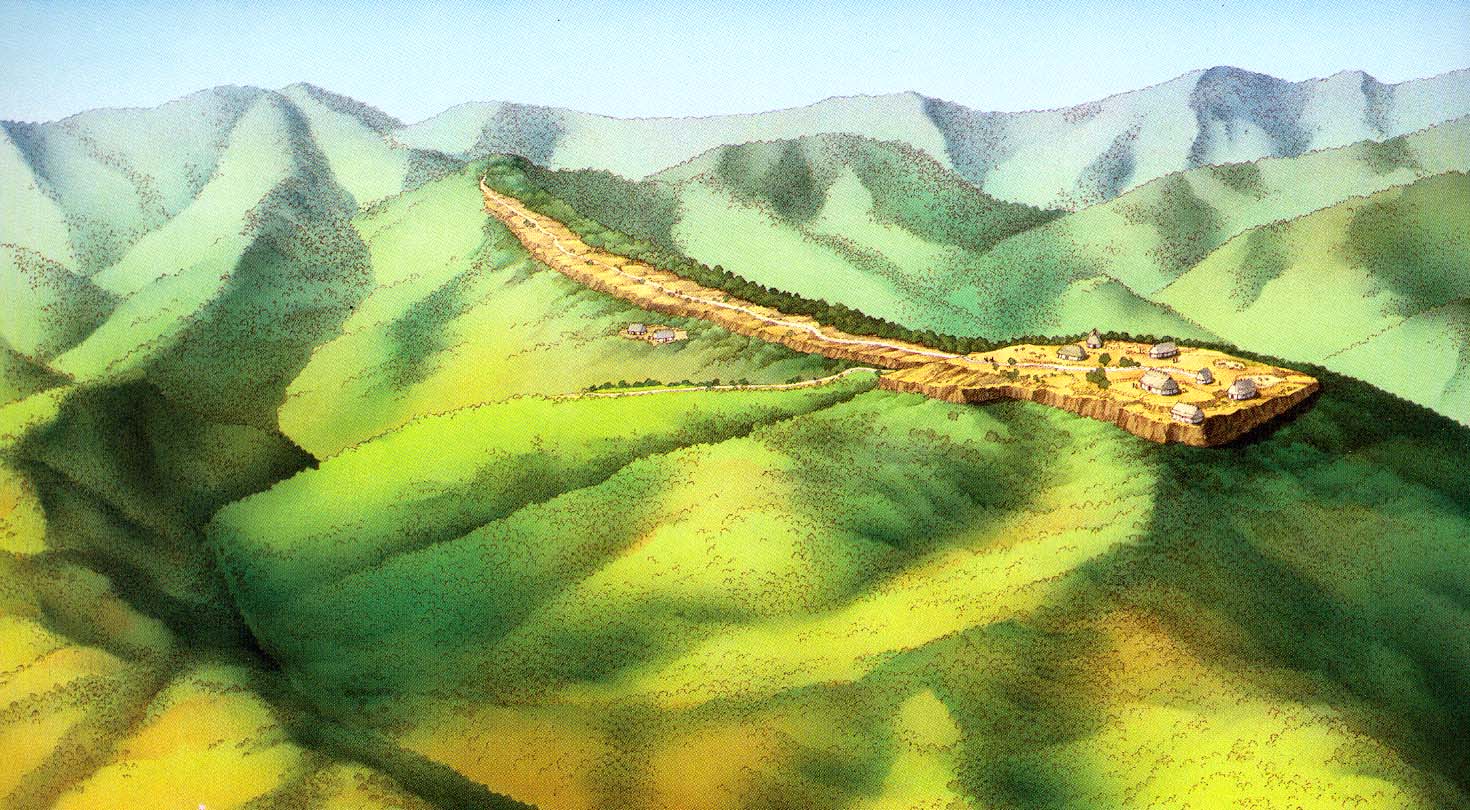
Land-scape means in English “modelling of the earth”, with an  emphasis on the natural aspect of the cognitive environment the term is associated with. It is opposed to the italian term “paesaggio” (French paesage , Spanish paisaje) associated with the term “paese” and hence to the Latin pagus meaning village, acknowledging, in a concise manner, a relationship of solidarity between the land and human settlement.

Therefore, the landscape as a cultural expression is linked to the inhabited space, to the cooperation between natural and artificial resources, to the transformations that interpret the form of orographic peaks, valleys, plains and their ability to become a built environment. In short, it is the territory’s visible aspect, the concise expression of its structure. ………………………

click here to continue reading        cap. 10 territorio per il corso  

The Bibliotheca Orientalis Attilio Petruccioli

BIBLIOTHECA ORIENTALIS ATTILIO PETRUCCIOLI AND THE ISLAMIC ENVIRONMENTAL DESIGN RESEARCH CENTRE – TRANI


The Library holds about 11,900 volumes and it is specialized in architecture and urban planning in Asia and Africa, including several rare pieces. Its specialization and concentration of texts on the architecture of Islamic and Eastern countries make it unique. It is the only European specialised library in this field and its extensive collection is comparable only to the Rotch Library of the Massachusetts Institute of Technology in Cambridge, MA, USA.

The Library is part of the foundation SECA and is open to the public. It provides support to researchers in Puglia and is a centre for international scholarship, fostered by a consolidated network of relations with research and scientific institutions in Islamic countries.

The Library comprises:

Bibliographic sections: History of Islamic architecture and urban planning, Restoration and design in developing countries, Maghreb, Egypt, Southern Italy and colonies, Middle East, Iran, Central Asia, Ottoman Empire, India, Southeast Asia, China and Japan, Landscape, Typological Characteristics of Architecture, Theory and History of Architecture, Architectural Treatises.

Cartographic archive: geographical maps, cadastral maps, original architectural surveys (mostly on DVD) and the complete collection of the Tuebinger Atlas des Vorderen Orient.

Photographic archive: more than 20,000 slides and 1,000 negatives of buildings, cities and landscapes of Islamic countries, including historical images of sites now disappeared.

The Library is 45 years old and since the foundation its scientific operating branch, named Islamic Environmental Design Research Center, has been regularly promoted knowledge and cultural exchange, organising 12 international conferences and after relocating to Trani, in support of the research activities of the Politecnico di Bari, Faculty of Architecture, 10 symposia and international conferences. Since 2000 the Library has provided scientific and research support to more than 200 degree theses of the Politecnico di Bari, Faculty of Architecture, dedicated to the architecture of Islamic countries.

From 1983 to 2001 the library and the Islamic Environmental Design Research Centre published monographic issues of the:

Journal of the Islamic Environmental Design Research Centre. Chief Editor Attilio Petruccioli and it is now resuming the publication in the new location.

Objectives

Within the SECA Foundation the Bibliotheca Orientalis Attilio Petruccioli and the Islamic Environmental Design Research Centre involve a large number of cooperating citizens, in person or remotely, and establish working connections with a large number of people in the wide field of cultural production. In a time of profound changes in the political, cultural and economic spheres of the Mediterranean, resuming support to research activities in Puglia and attracting scholars, within a network of scientific institutions of Islamic countries, favours access to culture by means of new technologies and licenses, and creates a culturally and economically sustainable model for the horizontal widespread, and participatory production of Culture. As a cultural garrison in the heart of the historic city centre, the Library contributes to make Trani, and Puglia a bridge between the Western world and the Orient.

Users

The Library’s primary purpose is the conservation, acquisition and dissemination of bibliographic and documentary heritage, in support to the teaching and research needs of students, researchers and teachers. Activities are organised, also in cooperation with other institutions, and supported by adequate librarian and computer science technologies.

Facilities available:

  • Reading and study spaces
  • Design and research laboratories
  • Resources for online research
  • Professional training master’s programs
  • Multimedia classrooms for national and international conferences
  • Co-working areas